



Self-Awareness
 Personal Development
 Self-Awareness

Self-Awareness is the ability to understand your own thoughts, emotions, strengths, weaknesses, and behaviors. It involves reflecting on how you react to situations and how your actions impact others, enabling better decision-making, emotional control, personal growth, and healthier relationships.
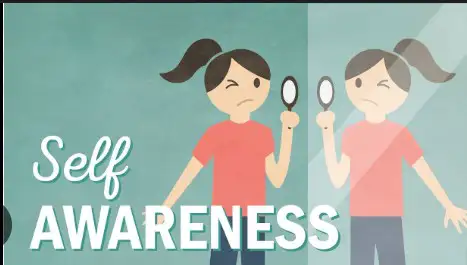


Self-awareness is the ability to recognize and understand your own thoughts, emotions, behaviors, and values. It involves being honest with yourself, acknowledging your strengths and weaknesses, and understanding how your actions affect others.
This awareness is a core element of emotional intelligence and a critical first step toward personal development. When you're self-aware, you make better decisions, handle stress more effectively, and build stronger relationships.


Why is Self-Awareness Important?
-
✅ Improves decision-making
-
✅ Enhances emotional intelligence
-
✅ Builds stronger relationships
-
✅ Helps in setting realistic goals
-
✅ Promotes better communication
-
✅ Leads to greater self-confidence
Types of Self-Awareness
1. Internal Self-Awareness
Understanding your emotions, thoughts, values, and beliefs.
Example: Recognizing that you tend to procrastinate when you're anxious.
2. External Self-Awareness
Understanding how others perceive you.
Example: Realizing that your tone in meetings may come off as dismissive, even if that’s not your intention.
How to Develop Self-Awareness
1. Practice Reflection
Take time daily or weekly to think about your experiences and reactions.
-
Journaling is a powerful tool
-
Ask yourself: What did I do well today? What could I have done better?
2. Seek Honest Feedback
Ask trusted friends, mentors, or colleagues for constructive feedback.
-
Be open to criticism and willing to grow
-
Don’t take feedback personally—use it as a tool for improvement
3. Monitor Your Thoughts and Emotions
Notice your reactions in different situations.
-
What triggers stress, frustration, or joy?
-
How do you respond to praise, criticism, or pressure?
4. Practice Mindfulness
Mindfulness helps you become more present and aware of your internal state.
-
Try breathing exercises, meditation, or mindful walking
-
Learn to observe your thoughts without judgment
5. Identify Your Core Values
Understanding what matters most to you helps in making aligned decisions.
-
Write down your top 5 values
-
Check if your actions and goals reflect those values

