



Food Photography
 Photography As An Art
 Food Photography

Food Photography
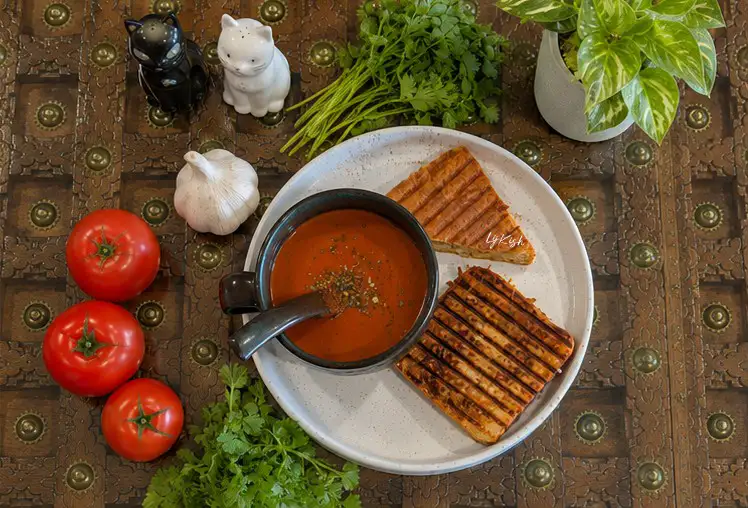


Food Photography: Taste Through the Lens
Food photography isn’t just about showing what’s on the plate.
It’s about making you feel hungry.
A good food photo captures more than ingredients—it captures mood, memory, and craving.
It tells you how something smells, how it might crunch, melt, or burst with flavor.
It invites the viewer in—like a seat at the table.
What makes food photography work?
- Lighting: Soft, natural light brings out textures and colors. Harsh shadows can add drama.
- Styling: Plates, props, and garnishes help build a scene—but less is often more.
- Composition: Overhead (flat lay), 45-degree, or close-up shots all tell different stories.
- Texture: Crumbs, steam, spills—they add life and realism.
Tips for better food shots:
- Use a neutral background to let the food stand out.
- Shoot tethered or on a screen to adjust angles and elements live.
- Highlight the most photogenic part of the dish—sauce drips, a caramel crust, melting butter.
- Add human elements: a hand pouring, a fork lifting, a bite taken.
Ask yourself:
- What’s the story behind this dish?
- Is it rustic, refined, street-style, or home-cooked?
- What mood do I want—cozy brunch, festive feast, bold flavors?
Food photography is about more than documentation.
It’s about seduction.
One image can transport someone into a memory of taste, place, or culture.
Make them want to reach through the frame and take a bite.
Because when food is photographed with care—it speaks.
To the senses. To the story. To the appetite.


Food photography is an art that tantalizes not just taste buds, but also our visual senses. To capture the delectable essence of a dish, one needs the right tools. When it comes to lenses for food photography, prime lenses like a 50mm or 85mm are highly recommended. These lenses have wide apertures that allow for beautiful depth of field, creating that dreamy blurred background that makes the food pop. The sharpness of these prime lenses also captures intricate details like the glistening droplets of a fresh salad or the flaky crust of a pie, enhancing the overall appeal of the dish.
In addition to the right lens, good lighting is essential for food photography. Natural light is often the best option as it brings out the true colors and textures of the food. However, having some basic accessories can elevate your food photography game even further. A tripod is a must-have to ensure sharp, consistent shots, especially in low light conditions. Reflectors can help bounce light onto the dish, reducing harsh shadows and adding a soft, even glow. A diffuser can also come in handy to soften harsh sunlight and create a more flattering light on the food. These accessories, combined with the right lens, can transform a simple dish into a mouth-watering masterpiece.
Lastly, styling is a crucial aspect of food photography. Props like colorful napkins, textured backgrounds, and fresh herbs can add visual interest to the composition. Using different angles and perspectives can also create dynamic shots that capture the essence of the dish from various viewpoints. Experimenting with styling and composition, along with the right lenses and accessories, can help you create striking food photographs that not only showcase the food itself but also evoke a sense of taste, aroma, and texture. So, next time you whip up a delicious meal, don't forget to bring out your camera and explore the world of food photography with creativity and passion.
Macro photography adds a fascinating dimension to food photography, allowing us to dive deep into the intricate details of delicious dishes. Through the lens of a macro camera, the textures, colors, and shapes of food come alive in a mesmerizing way. Every droplet of water on a freshly washed berry, every sprinkle of seasoning on a perfectly grilled steak, and every glistening layer of a delicate cake becomes a work of art worth savoring. The beauty of macro photography lies in its ability to unveil the hidden beauty of food, transforming even the simplest ingredients into extraordinary subjects.
When you zoom in on a slice of ripe mango with a macro lens, you are transported into a world of vibrant hues and velvety textures. Every golden fiber of the fruit appears as if it's dancing under the spotlight, inviting you to taste its sweet nectar with your eyes. The intricate patterns of a flaky croissant or the delicate veins of a leaf of basil suddenly become the main attraction, urging you to appreciate the artistry of nature's bounty. It's like embarking on a culinary adventure where each photo captures the essence of flavors that tantalize all your senses.
Macro food photography is more than just capturing a meal; it's about telling a story with every shot. The dewy freshness of a salad can evoke the sensation of a crisp morning in a countryside garden, while the steam rising from a bowl of soup transports you to a cozy kitchen on a rainy day. By focusing on the tiniest details, macro photography enables us to see food in a new light, highlighting the love and care that goes into each dish. It's a celebration of the beauty of the culinary arts, where every ingredient, every garnish, and every dish shines like a star on its own gastronomic stage.

