

 Trending
 Explore
 Create Account
 Log In
 Feedback

 Bhagavad Gita at Work
Learning’s from Vedantic Studies and Bhagavad Gita – Transforming Yourself to Realize the Benefits of True Source of Happiness – Love, Peace and Contentment
The purpose of "Bhagavad Gita at Work" is to share and propagate
the teachings and learnings from Shree Krishna - Arjun samwad/dialogue
in our daily life. Shree Krishna teachings are grounded in Vedanta
(Knowledge at the end of Vedas known as Upanishad). There are four Vedas
1. Rig 2. Sam 3. Yajur and 4. Atharva. Rig Veda is the oldest.
We will capture the essence of Vedas in a different Presence.
A brief overview of two schools of learnings:
Vedanta: Sarva Gyanam Anant Brahman (Taittiriya Upanishad 2.1.1)
Creation = Brahman + Maya (Female Power/Shakti)
Sankhya: Sarvam Khalvidam Brahman
Creation = Purusha (Male) + Prakriti (Female) – Potential for the creation of world / universe
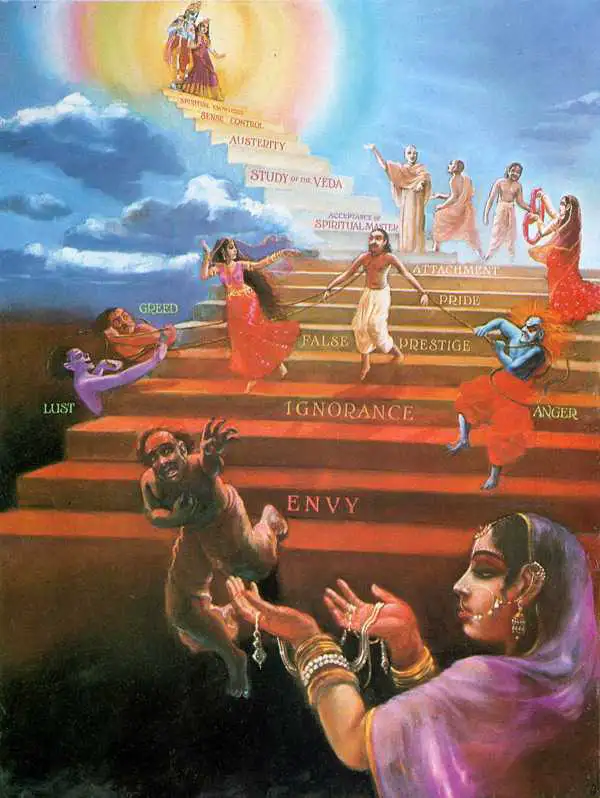
In Vedanta, evil is defined as ignorance, darkness and light is symbolized with knowledge and wisdom.
Spiritual teachings of Bhagavad Gita (701 plus verses/shlokas) are unique in the context of life on the battlefield. The complexity of characters in Mahabharata (100,000 plus verses/shlokas) resembles our life’s complexity. Mahabharata was assembled by Maharishi Vyasa.
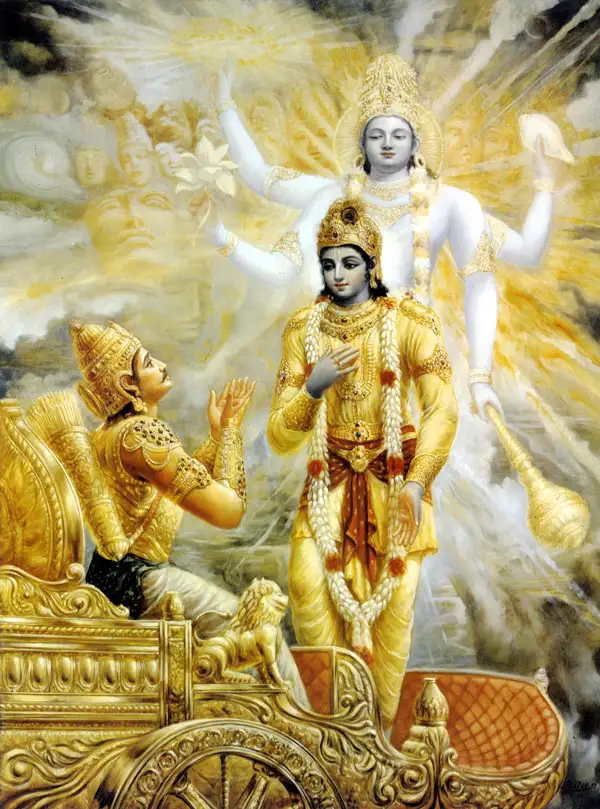
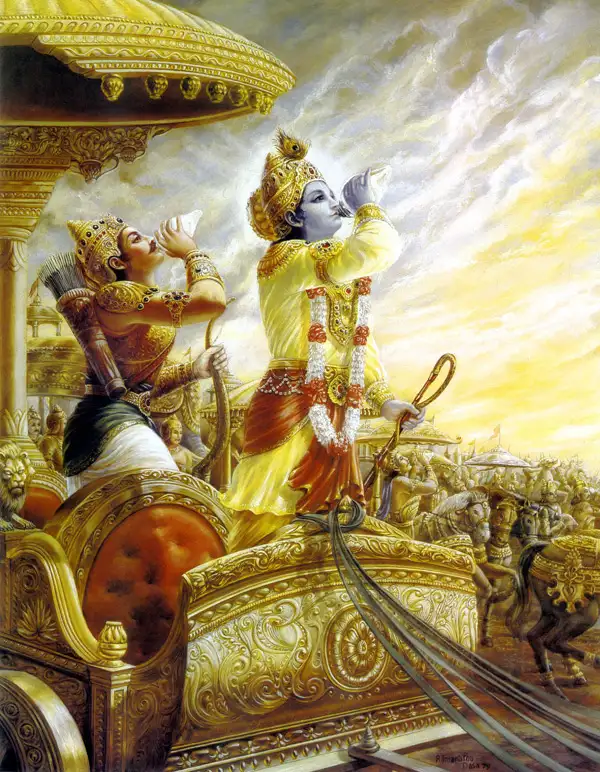
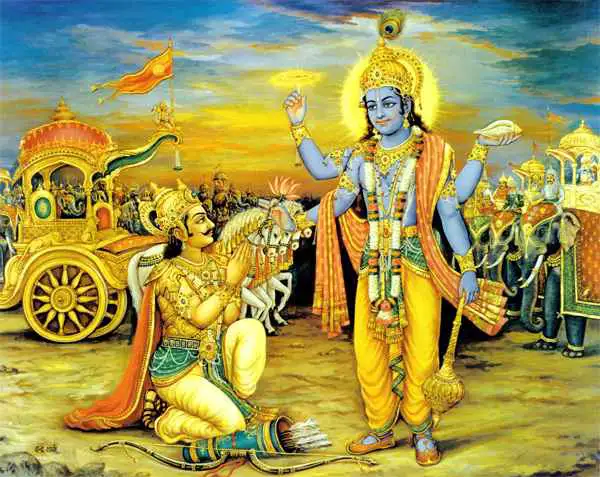
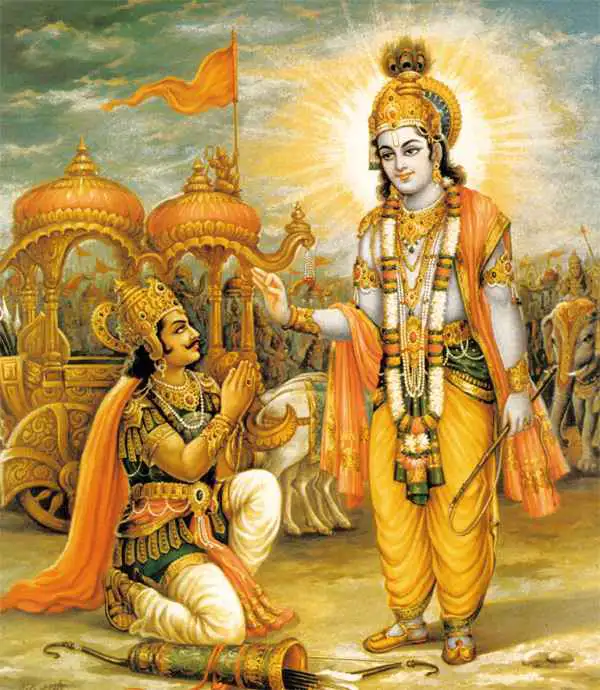
Shri Krishna is symbolizing dharma on the chariot of Arjuna in the driver seat. Chariot is symbolizing knowledge; horses are indicating emotions, desires and dislikes; strings are symbolizing senses and emotions. If you are not using your intellect to drive your emotions, they will drive towards the path of your liking similar to the horses who will take your chariot wherever they want to go, if you do not control them through strings tied to their neck.
Mahabharata is a dharma yudha – righteous war, even though the war will result in massive destruction. Consequences of not fighting the war would be worst. The king of Hastinapur, India – Dhritrashtra is not only physically blind, but morally and ethically blind as well. If there was no Mahabharata, imagine the number and depth of unnecessary sufferings under the kingship of Duryodhana. This is why Bhagavan Krishna is asking Arjuna to fight.
Ahimsa – least harm; Aa – little; Hinsa – harm
How do we know that Mahabharata is a righteous war?
- Bhagawan Shri Krishna tried to avoid war by negotiating five villages for five Pandawa’s, but Duryodhana did not agree.
- Then, He tried to get five homes that were also refused.
- Finally, He tried a home with five rooms, which was also not accepted by Duryodhana.
When all efforts to prevent the war were failed, then Bhagavan Shri Krishna went for Mahabharata.
References and Learnings From:
- Arsha Bodha Center - Swami Tadatamnanda, New Jersey, USA; Bhagavad Gita and Mahabharata.
- Swami Sarvapriya Nanda - YouTube recordings
- "Bhagavad Gita at Work" discussions at Arsha Bodha Center, New Jersey, USA
- "Bhagavad Gita at Work" discussions among the 1975 University of Roorkee (UOR/IITR) Batchmates (Ashok Tyagi, Diwakar Rastogi, Harsh Chopra, Madan Goel, Makarand Mithal, Prabhat Kumar, Sanjeev Goel'82) and BD Gulati on variety of topics including Bhagavad Gita, Upanishads, Patanjali Yoga Sutra, Shiva Sarvodaya and other Vedantic leteratures & Studies.


Verse 55-60
The one who is not Brahmabhuta has made three decisions:
1. Jivatma is performing actions with ego through mind
2. Mind energy is trying to connect to Brahman
3. Bhakti is always entangled with asking for something from Bhagawan.
The things which are related to this sansar, which is full of Sukha and Dukkha.
1. Gyani Bhakti is without deenta. Mind is attached to Bhagawan – then that person is called Brahmabhuta. He/She is still not reached the state of Brahman.
2. Whatever is happening in our life is due to your blessings.
3. But this stage can also change and become deena bhava.
4. Once this stage become permanent, then that person is Brahmabhuta. There is no deenta. Myness bhava is negligible.
BH Gita Ch17 - Sraddhatraya VY
BH Gita Ch16 - Daivasura SVY
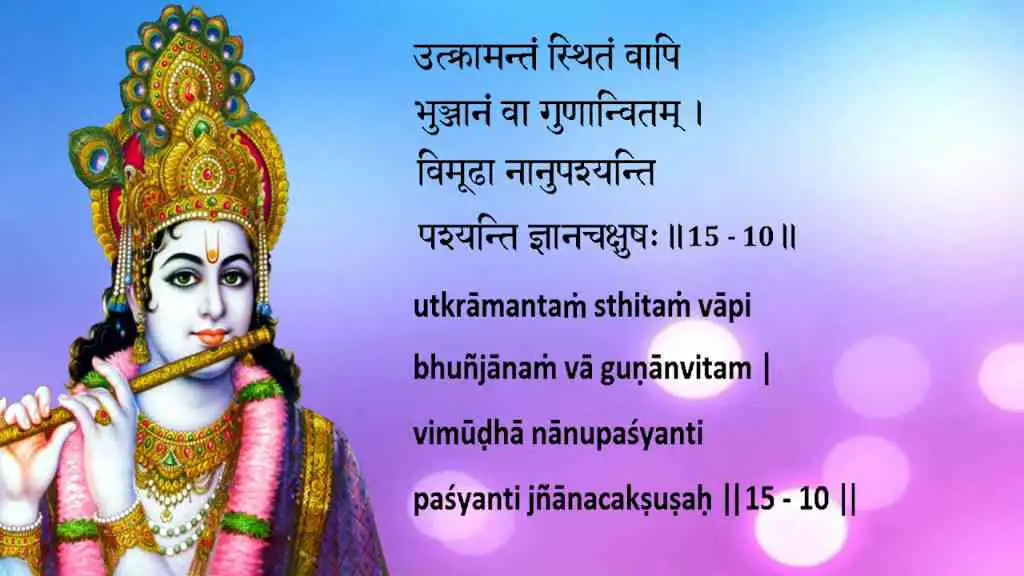
BH Gita Ch 15 - Purushottama Y
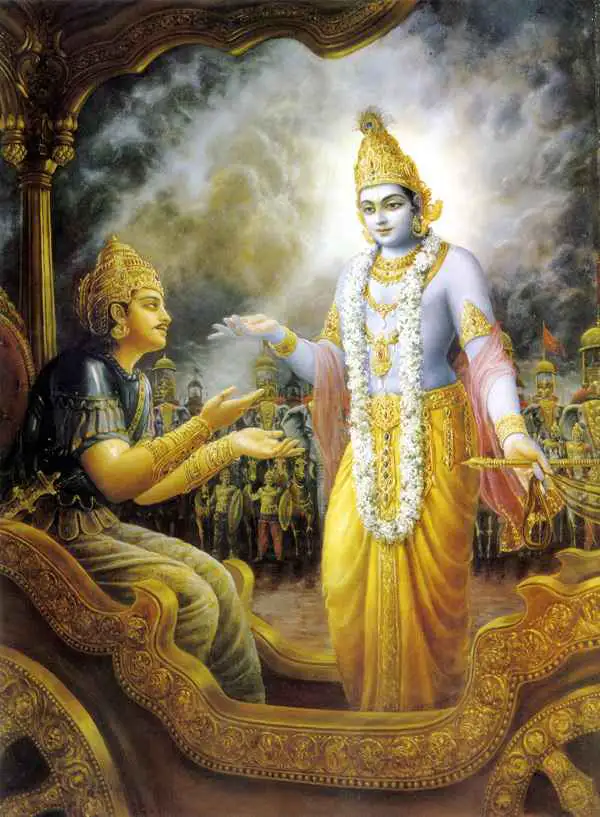
BH Gita Ch 14 - GunaTrayaYoga
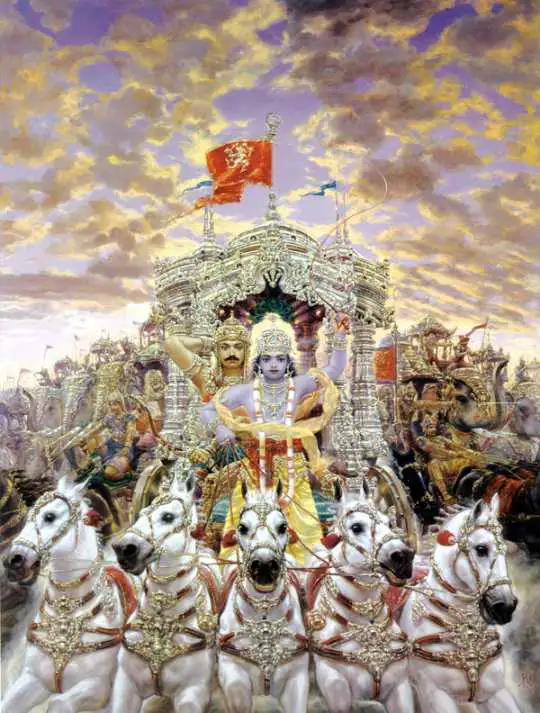
BH Gita Ch 13 - KshetraKshetra
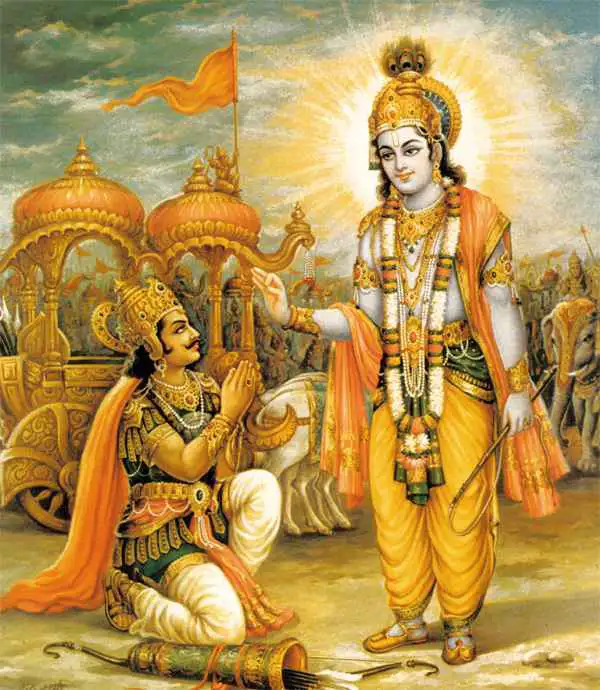
BH Gita Ch 12 - Bhakti Yoga
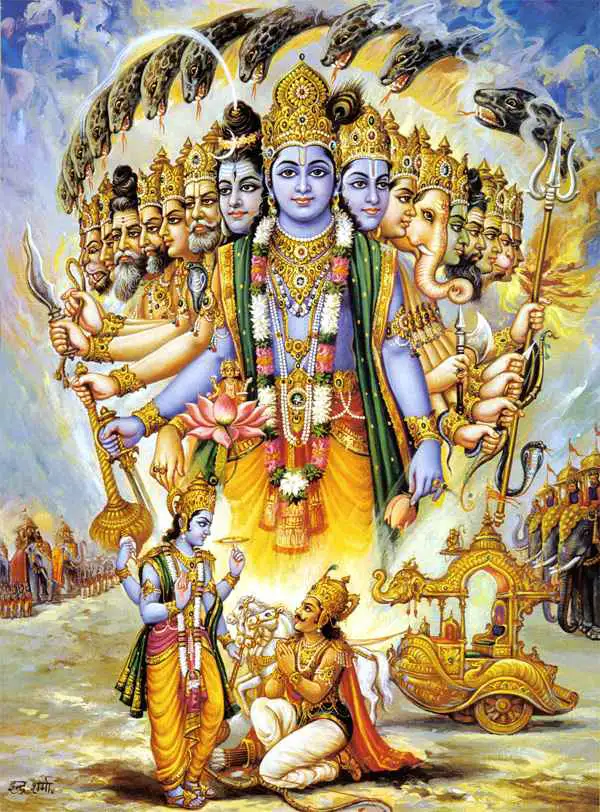
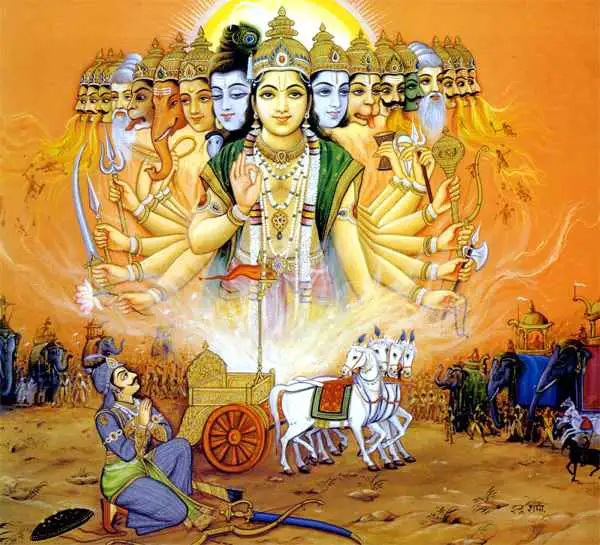
BHGita Ch 11-Vishwavrupa DYoga
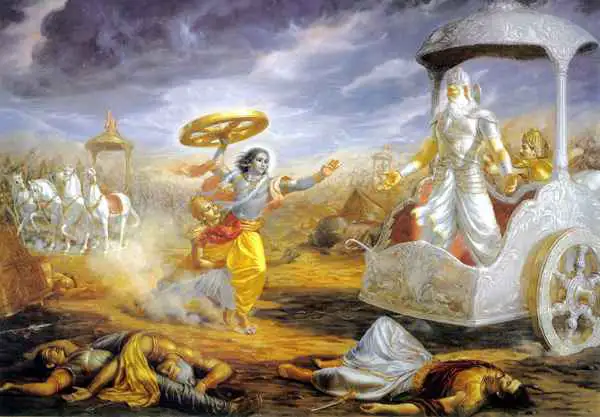
BH Gita Ch10 - Vibhuti Yoga
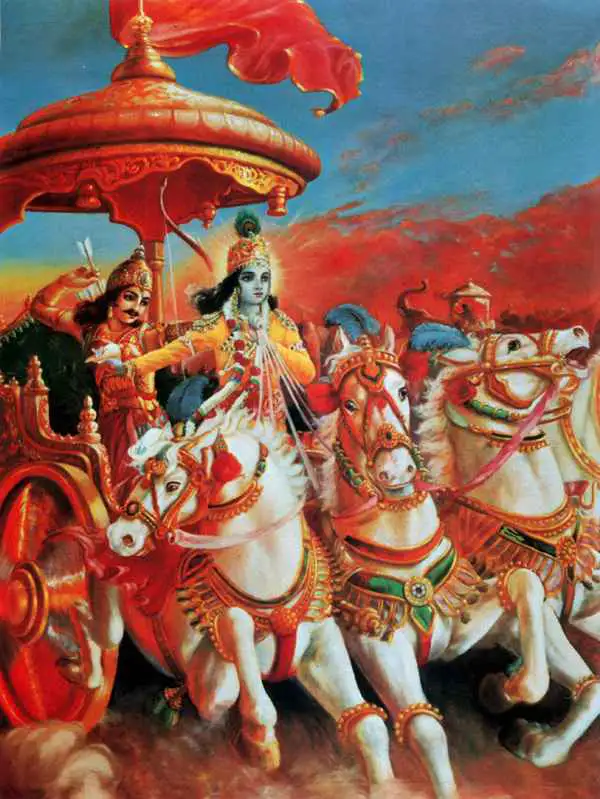
BHGitaCh9-RajaVidya RGuhyaYoga
BHGita Ch8-Akshara Brahma Yoga
BH Gita Ch7-Jnana Vijnana Yoga
BH Gita Ch6 - Dhyana Yoga
BHGita 5 - Karma Sannyasa Yoga
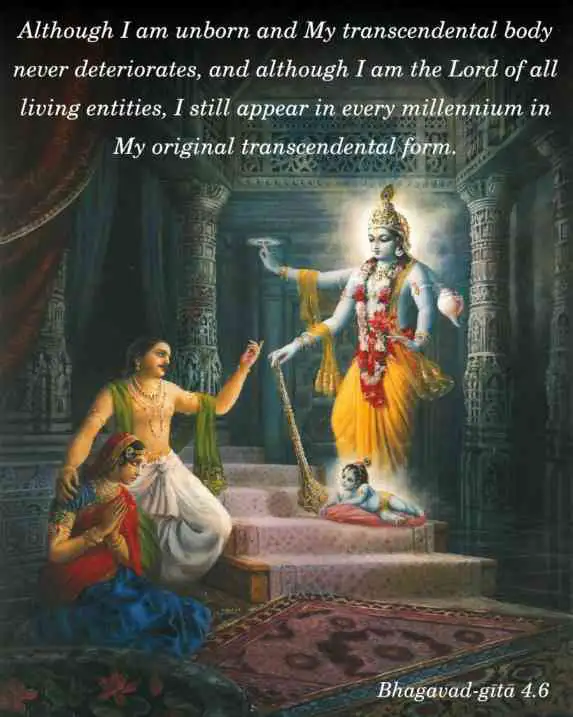
BHG4-Jnana Karma Sannyasa Yoga
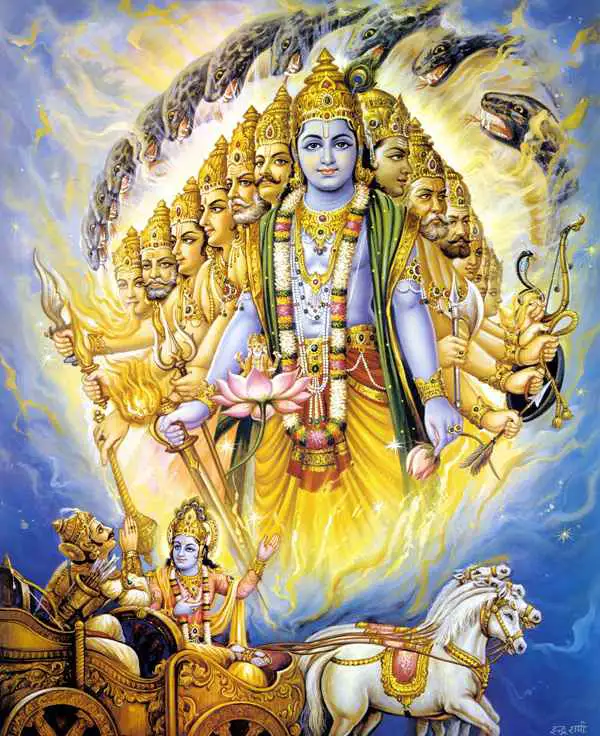
Bhagavad Gita - 3 Karma Yoga